
Pasteurized vs fresh caviar: what changes, and which to buy
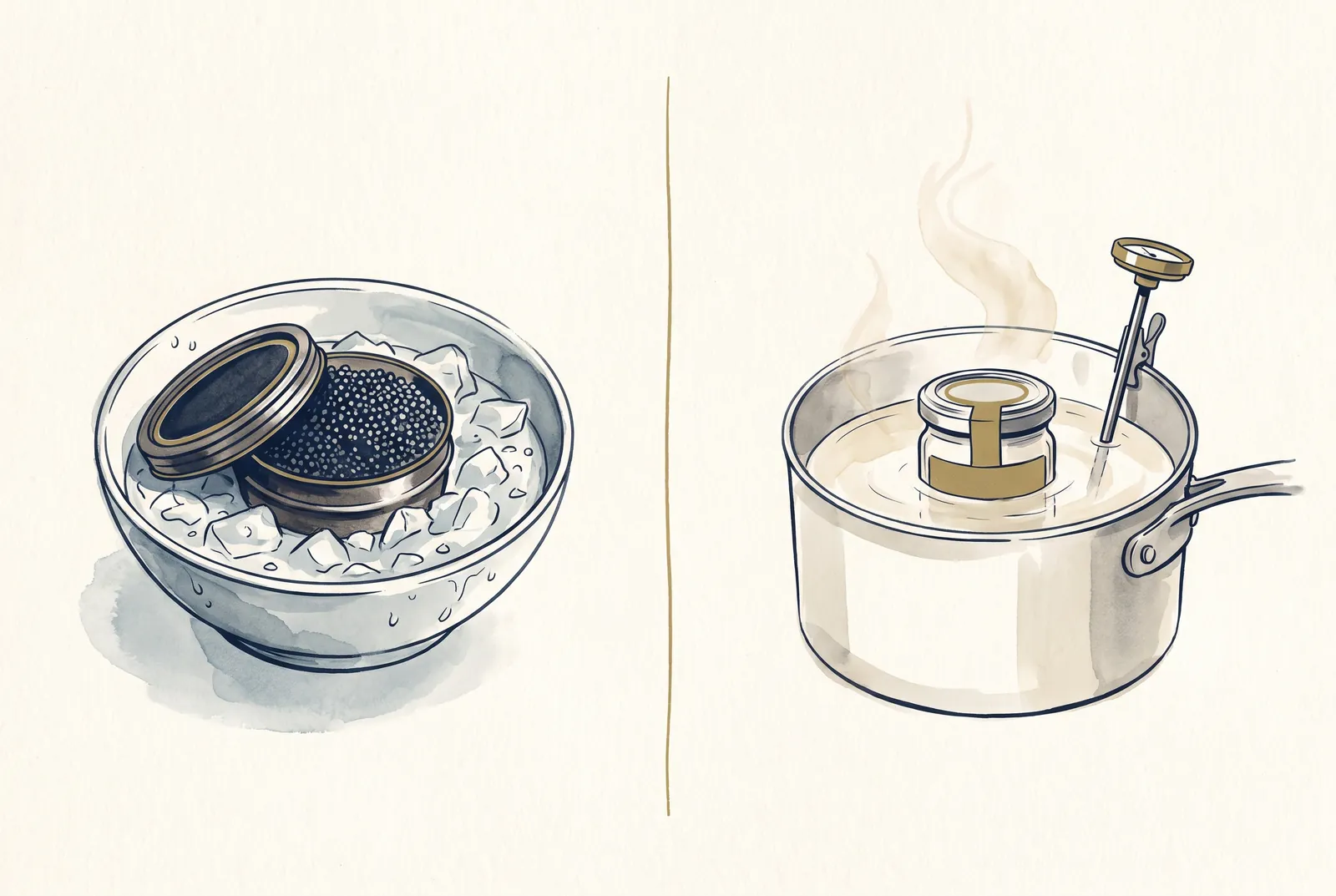
Pasteurized caviar is cured roe that has been sealed in a jar and gently heated, typically to 155–160°F, so it keeps unopened for months. Fresh caviar (also sold as malossol or unpasteurized) is never heated: it keeps for weeks, not months, and has to stay at 28–32°F the whole time. Fresh has the firmer pop and the longer, cleaner flavor. Pasteurized is the practical choice when caviar has to travel, sit on a shelf or wait.
What pasteurizing does
Caviar is made the same way up to the last step. The roe is separated from the membrane, rinsed, lightly salted and drained. For fresh caviar, that's it: it's packed into a tin and kept cold.
For pasteurized caviar, the cured roe is packed into a jar, sealed, and held in hot water. One published process from the Oregon State University seafood network heats sealed jars in a water bath at 155–160°F (68–71°C) for 30 to 60 minutes, depending on the jar size. Every producer runs its own time and temperature, which is one reason two pasteurized caviars can differ so much.
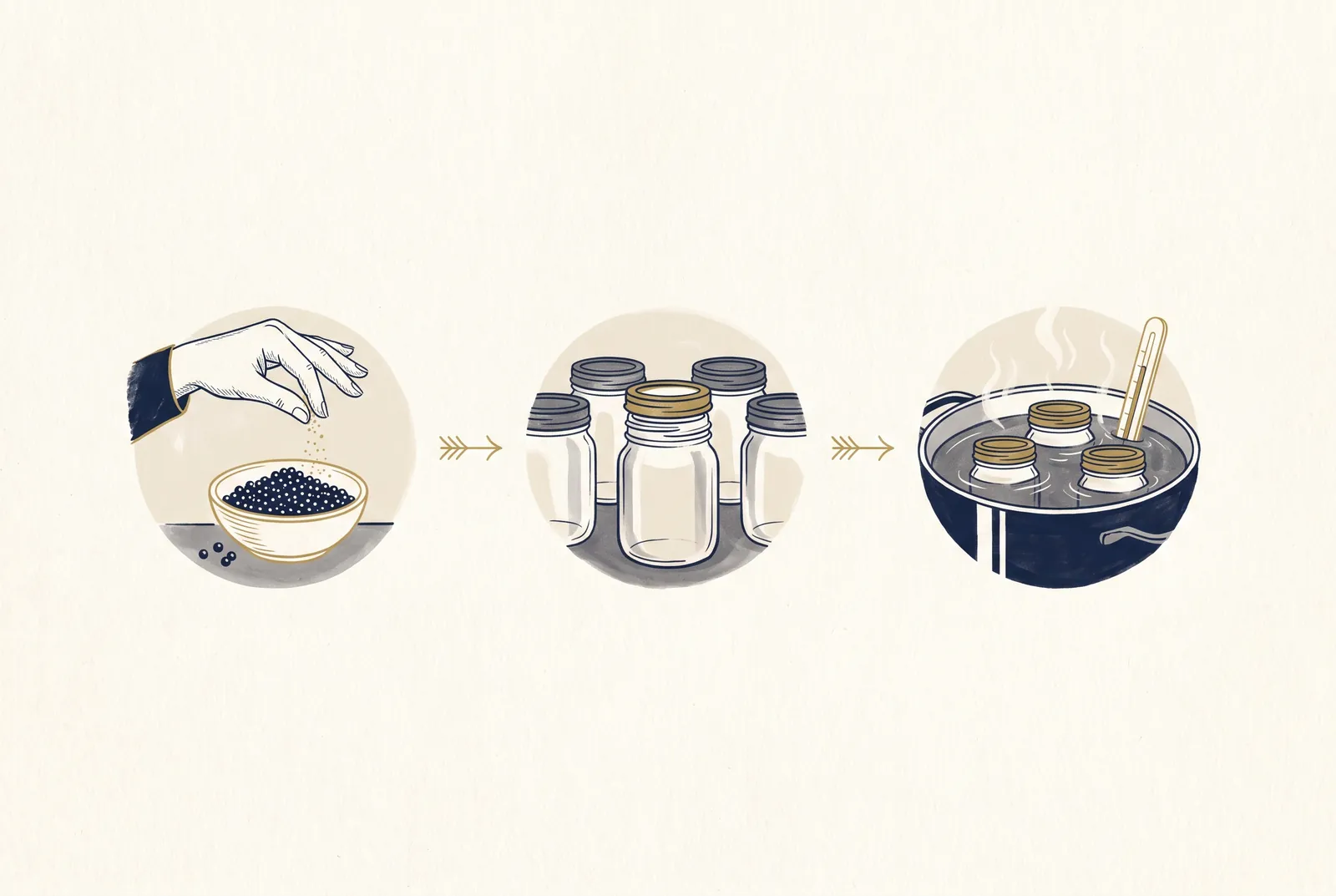
The heat doesn't cook the eggs, and the caviar is still eaten cold. But it does change them.
Fresh vs pasteurized, side by side
| Fresh (unpasteurized) | Pasteurized | |
|---|---|---|
| Heat | None | Sealed jar heated, about 155–160°F |
| Texture | Firm, distinct pearls that pop | Softer skin, less pop; can be a little drier or mushier |
| Flavor | Fullest, with a long, clean finish | Milder and shorter; subtle notes flatten out |
| Unopened | Weeks, at 28–32°F | Months, refrigerated (follow the label) |
| After opening | Best within 48 hours | Within a few days; check the label |
| Usual container | Tin | Glass jar |
| Best for | Eating on its own, tastings, gifts eaten that day | Pantry stock, long shipping, cooking |
There's also frozen caviar. Freezing breaks the pearls, and they thaw soft and watery, so it's best kept for cooking.
How to tell which one you're buying
- Read the label. Pasteurized caviar normally says so. "Malossol" alone describes a light salt cure, not whether it was heated.
- Look at the date. If the unopened shelf life is counted in months, it's pasteurized. Fresh caviar is counted in weeks.
- Look at where it's sold. Fresh caviar can't sit on an unrefrigerated shelf or in a gift hamper. If it's kept warm, it's pasteurized (or shelf-stable).
- Look at the container. Jars are usual for pasteurized caviar and tins for fresh, but this is a habit, not a rule.
- Ask. A good seller can tell you whether the caviar was heated, the species, and when it was packed.
Is pasteurized caviar cheaper?
Not by much, if at all, for the same fish. Pasteurizing is an extra step, and it doesn't make a cheaper product: the fish, the farm and the grade drive the price far more. Some of the cheapest caviar on shelves is pasteurized because it's sold through stores that can't keep fresh caviar cold, not because the heat saves money. See why caviar is so expensive for prices across the market.
Which should you buy?
Buy fresh when the caviar is the point: eaten by the spoonful, at a tasting, at a dinner, or as a gift that will be opened that day. The texture is the difference you're paying for.
Buy pasteurized when it has to wait or travel: a jar for the pantry, a gift shipped across the country, a trip, or caviar going into a hot dish, where the texture matters less.
If you're pregnant or have a weakened immune system, ask your doctor before eating any caviar, fresh or pasteurized. See caviar and pregnancy.
Why we only sell fresh
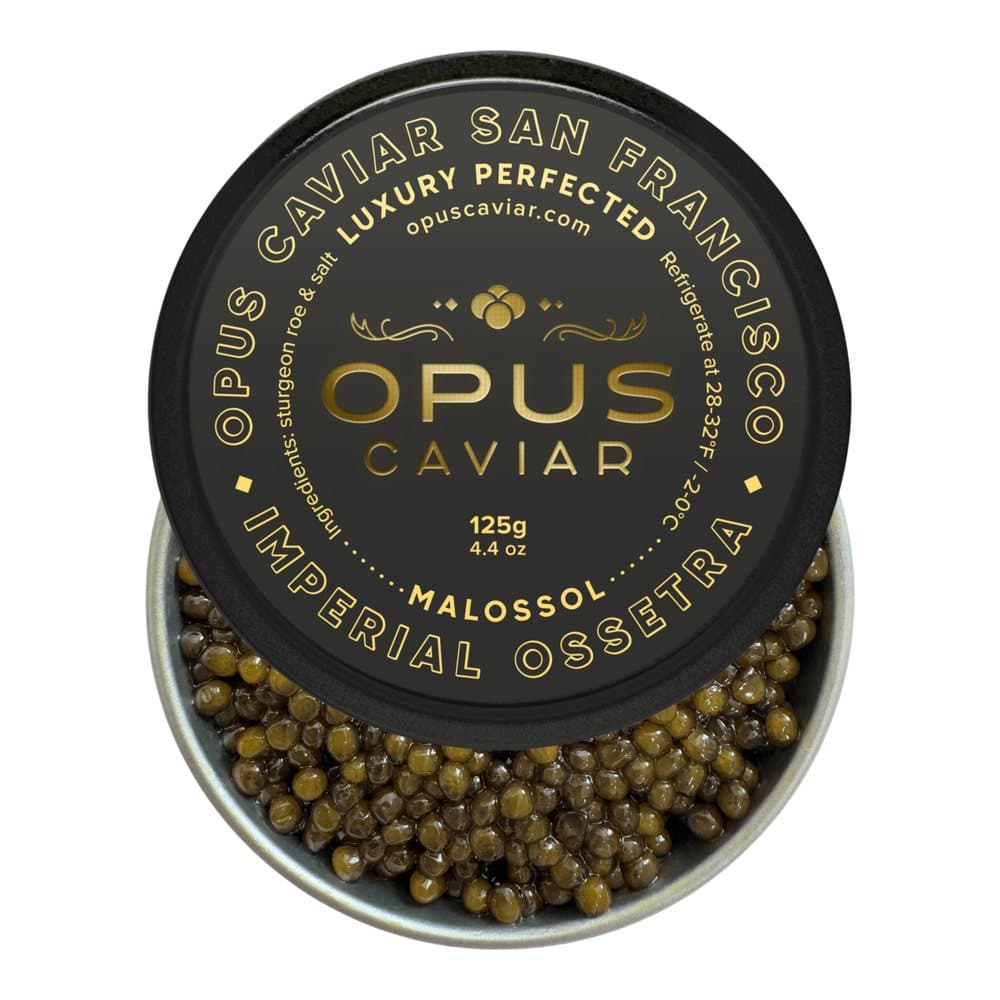
Opus Imperial Ossetra is never pasteurized. It's sturgeon roe and salt, nothing else, kept at 28–32°F and brought to your door by courier, usually in about an hour, rather than shipped. That's why we only deliver across the South Bay: fresh caviar shouldn't spend a night in a box.
Unopened, in the coldest part of your fridge, it's best within a month; once opened, within 48 hours. See how long caviar lasts and how to serve it.
Common questions
Is pasteurized caviar real caviar?
Yes. It's the same roe, cured the same way, with one more step: the sealed jar is heated. What changes is the texture, flavor and shelf life, not what it is.
Does pasteurized caviar need to be refrigerated?
Most does. Pasteurization extends the life of caviar, but most pasteurized caviar still needs the fridge. Only products labeled shelf-stable can be kept at room temperature. Follow the label.
Can you taste the difference?
Side by side, most people can, mainly in the texture. Fresh pearls are firm and pop cleanly, and the flavor lingers. Pasteurized pearls are softer and the flavor is shorter. On a blini with crème fraîche, or in a cooked dish, the difference is smaller.
Is "malossol" the same as fresh?
No. Malossol is Russian for "little salt" and describes a light cure. Malossol caviar can be fresh or pasteurized, so check the label for both words.
Choose your tin of fresh Imperial Ossetra for same-day delivery across the South Bay.